
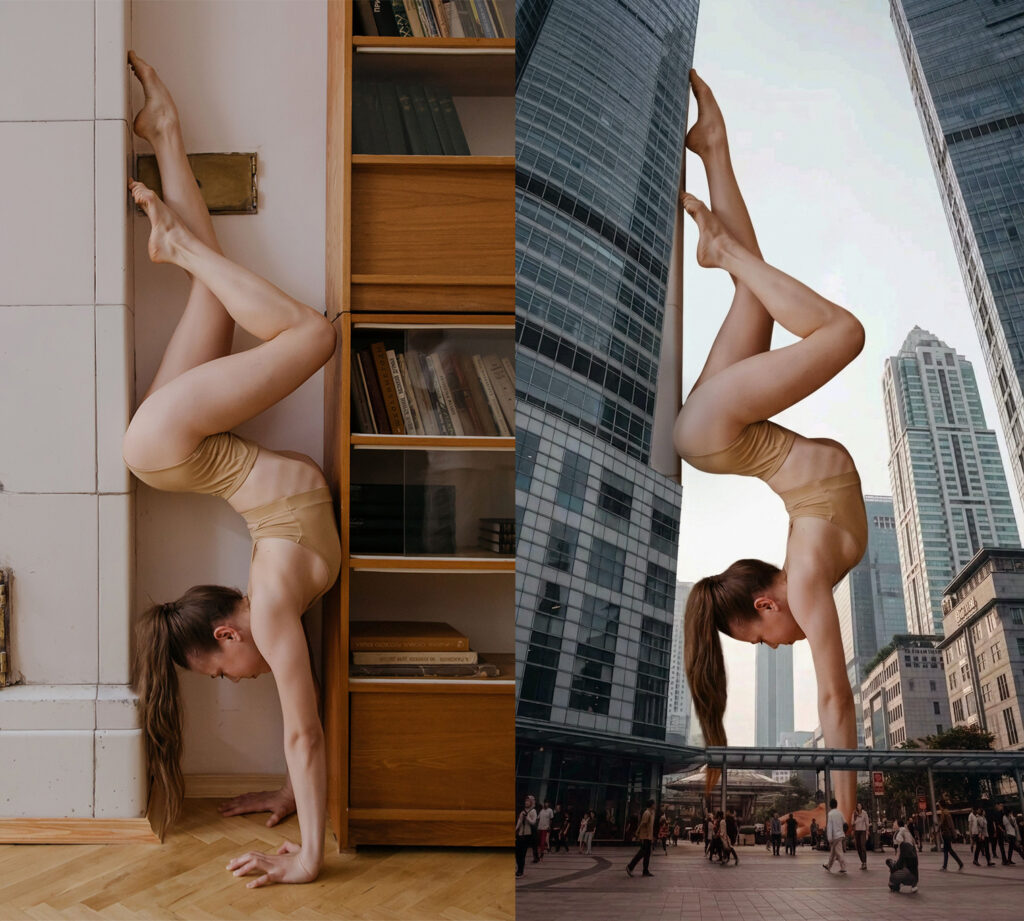
The Future of Photo Manipulation
Transforming a simple photo into a completely new scene, changing a part of a photo, creating a realistic composition by combining multiple photos, or digitally presenting an imaginary scene as if it were real—these are important parts of Photo Manipulation . While photo manipulation has long been done using professional editing software like Adobe Photoshop, Artificial Intelligence (AI), machine learning, and automation are rapidly changing this field. The Future of Photo Manipulation is not just a discussion of new Photoshop features. It is an important idea about how people will create, edit, and represent digital reality in the future. Advances in technology have made photo manipulation faster, easier, and more sophisticated than ever before. At the same time, realistic manipulated images are raising new questions about authenticity, misinformation, and ethical photo editing. The future of photo editing will see human creativity and artificial intelligence working together. AI can quickly complete many repetitive editing tasks, but the role of a skilled photo editor will remain crucial in terms of creative concept, visual storytelling, artistic judgment, and meeting the client’s specific requirements. Photo Manipulation? Photo Manipulation is the process of creating a new image by changing, adding, removing, or combining various visual elements of a photograph. This can include changing the background of a photo, removing unwanted people or objects, changing colors, adjusting lighting, reshaping the body, retouching faces, or compositing multiple photographs. In professional photo manipulation, just using an editing tool is not enough. Perspective, lighting, shadows, colors, proportions and image composition have to be properly matched. A good manipulation should be such that the natural relationship between the different parts of the image is maintained. Currently, photo manipulation is widely used in advertising, fashion, wedding photography, e-commerce, product photography, entertainment, digital art, and social media content creation. Current status of Photo Manipulation Photo manipulation was once a very time-consuming task. An editor had to perform many editing tasks manually. Tasks like selection, masking, background removal, color correction, shadow creation, and compositing required a lot of skill and time to complete. Modern Photoshop and other advanced photo editing software have made these tasks much easier. Professional editors can create complex images using advanced selection tools, layer masks, blending modes, adjustment layers, and retouching features. With the addition of AI-powered editing tools, the workflow has become faster. Technologies like automatic object selection, background removal, image enhancement, and generative editing are changing the traditional workflow of photo manipulation. This change is expected to accelerate in the future. How will AI change the future of photo manipulation? Artificial Intelligence is one of the most important technologies for the future of photo manipulation. AI is able to recognize different parts of an image, change them, and create new visual elements based on human instructions. Previously, editors had to manually create a path or selection to select an object. In the future, AI will be able to quickly identify the subject, background, and individual objects and prepare them for editing. Using AI will also make tasks easier, such as: Change background Remove unwanted object from photo Enhance image quality Changing Lighting Sky replacement Photo restoration Portrait retouching Object selection Creative compositing Image expansion This will reduce the technical workload of the photo editor and free up more time for creative work. However, images created or modified by AI do not always guarantee professional quality. Human supervision is still very important in cases of complex composition, realistic lighting, accurate perspective and natural details. What is the future of Photoshop? Adobe Photoshop has long been one of the most important software for professional photo editing. Photoshop’s role in the future of photo manipulation may change even more. In the future, Photoshop’s editing workflow is likely to become more intelligent and automated. Instead of manually giving many technical instructions, the editor may be able to use natural language to provide editing directions. For example, an editor might say that a portrait needs to be changed to create a sunset environment by changing the background, giving the subject natural warm light, and matching the subject with the perspective and depth of the background. While AI can complete a large portion of the technical editing, final creative control will remain in the hands of the editor. This could make the future of Photoshop a powerful combination of human creativity + AI assistance Human Creativity vs Artificial Intelligence AI can speed up photo manipulation, but it’s difficult to be a complete substitute for creativity. A professional photo editor or digital artist doesn’t just follow the commands of the software. He or she makes decisions about the mood, story, composition, and visual impact of a photo. Let’s say a client wants to create a fantasy artwork. AI might be able to create an image in a matter of seconds. But it may require human creative judgment to create the image according to the client’s brand identity, desired composition, specific subject appearance, and exact visual style. Therefore, collaboration between AI and human editors will be more important than competition in the future photo manipulation industry. AI will do repetitive work and humans will make creative decisions—such a workflow could become more popular. New Possibilities for Creative Photo Manipulation The future of photo manipulation will create countless new possibilities for digital artists. An artist can use a simple photograph to create a completely imaginative environment. It will be possible to create new types of artwork by combining real architecture, digital objects, atmospheric effects, dramatic lighting and fantasy elements. In particular: Digital art Concept art Advertising Movie poster Fashion campaign Album artwork Social media design Surreal photography Fantasy artwork In these cases, the use of creative photo manipulation may increase further. The easier the technology becomes, the greater the opportunity to implement creative ideas. The Future of Realistic Image Manipulation One of the biggest changes of the future could be photorealistic image manipulation . Today, skilled editors can create highly realistic composites using lighting, shadows, reflections, perspective, and texture. AI technology can further enhance this realism. Tasks such as automatically